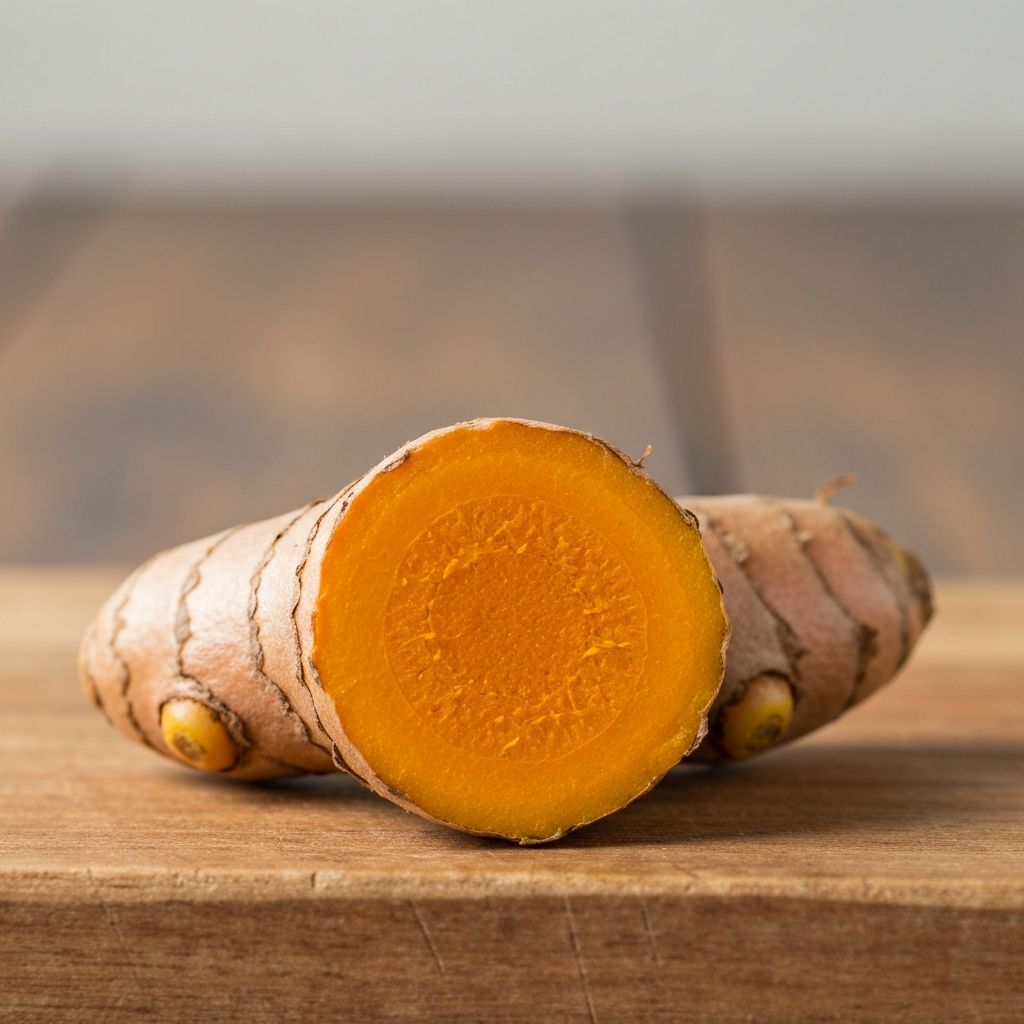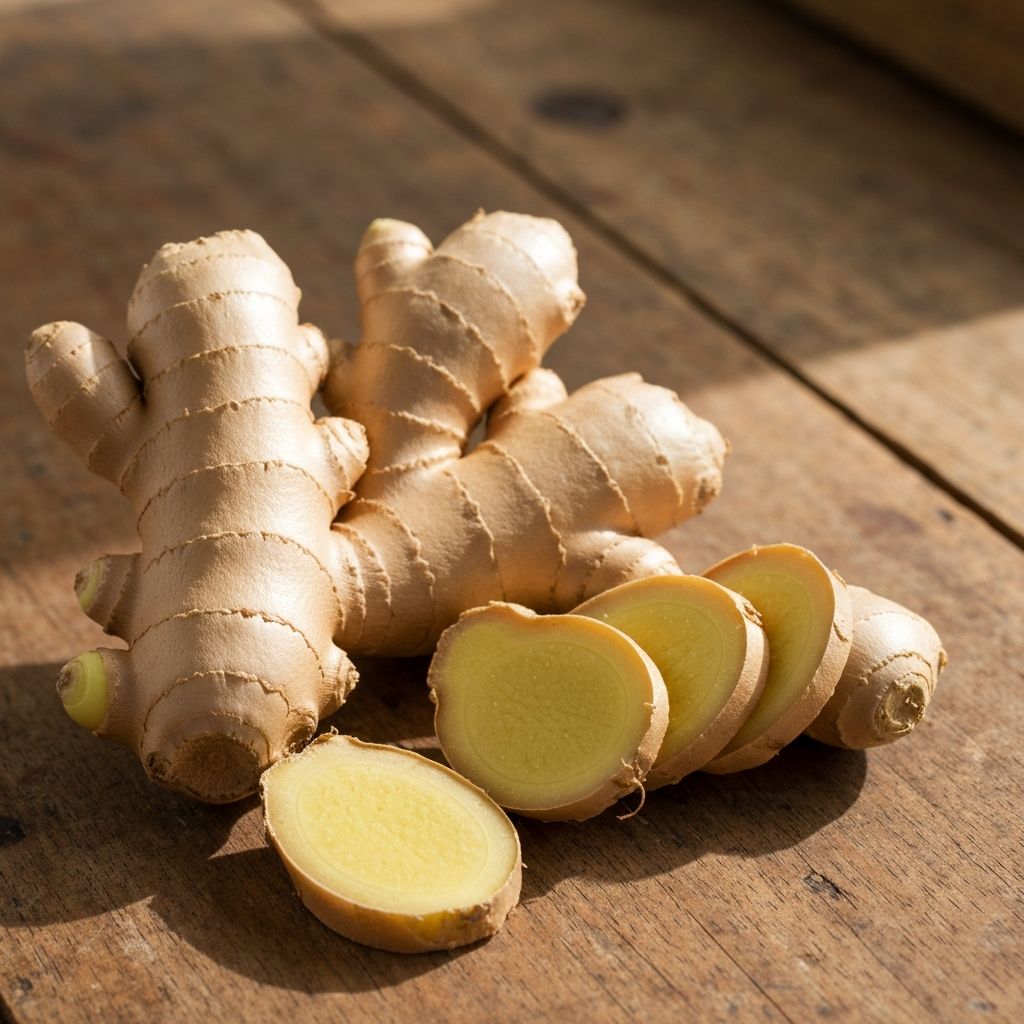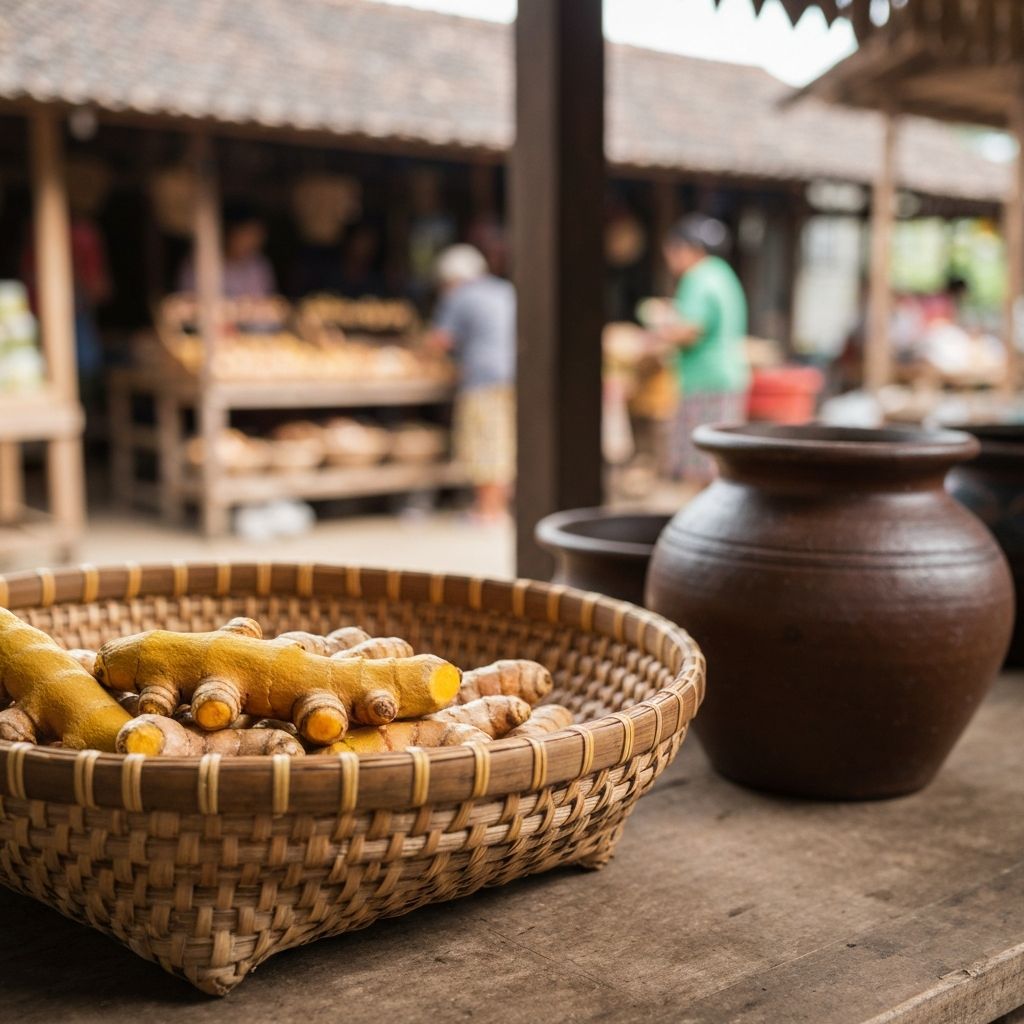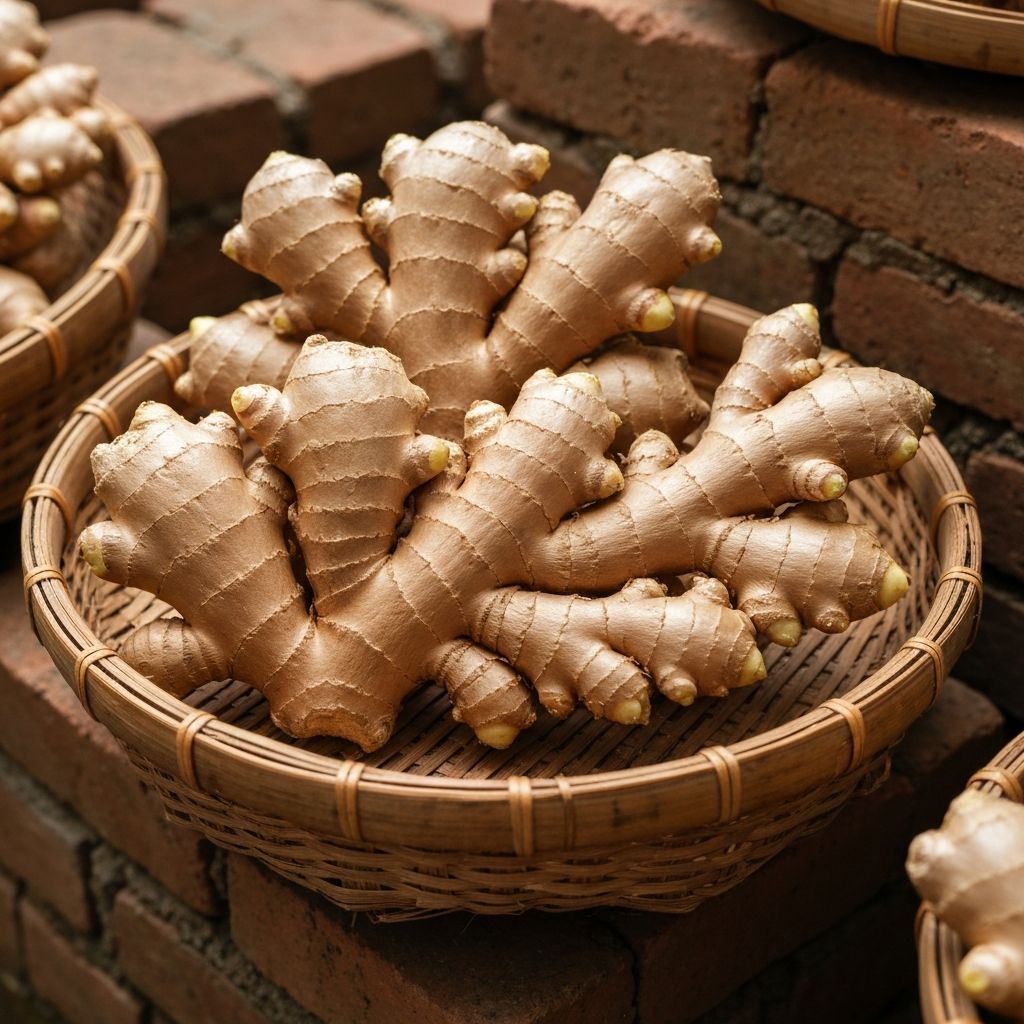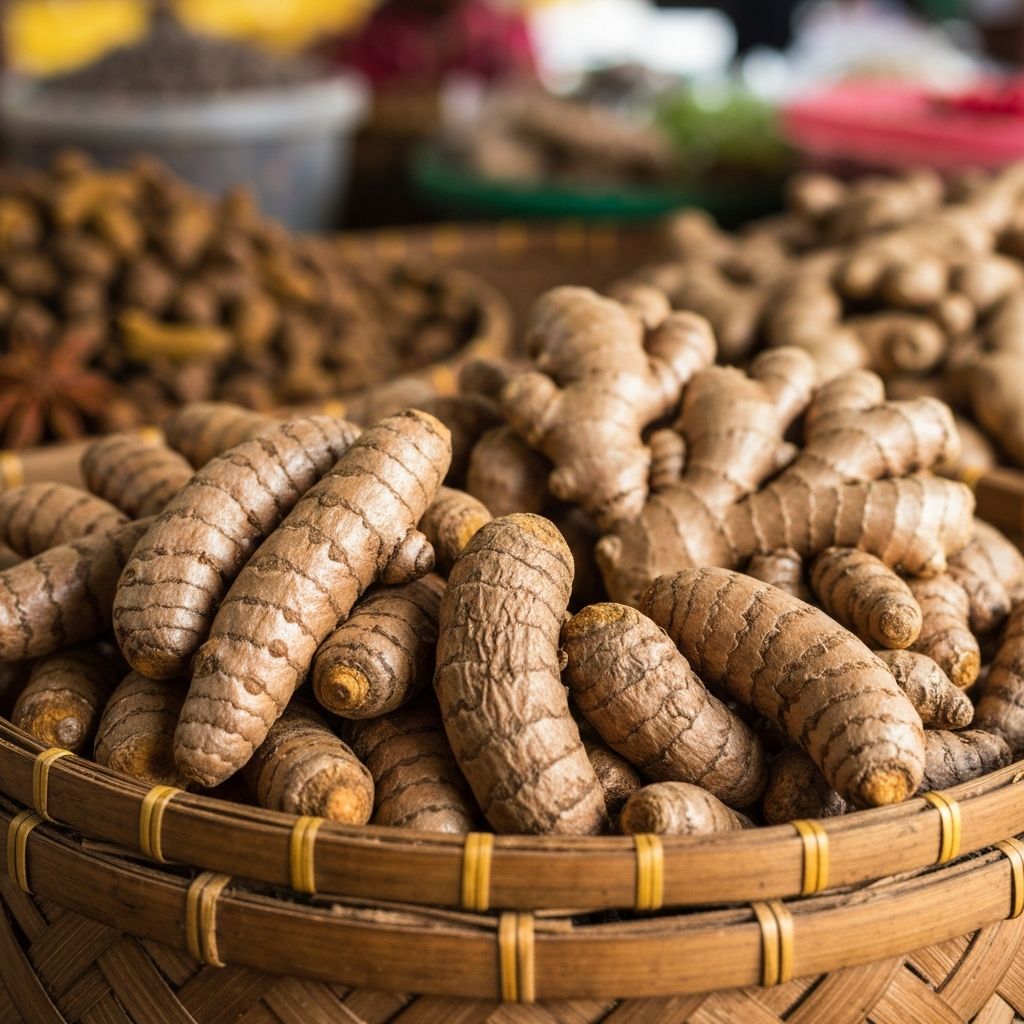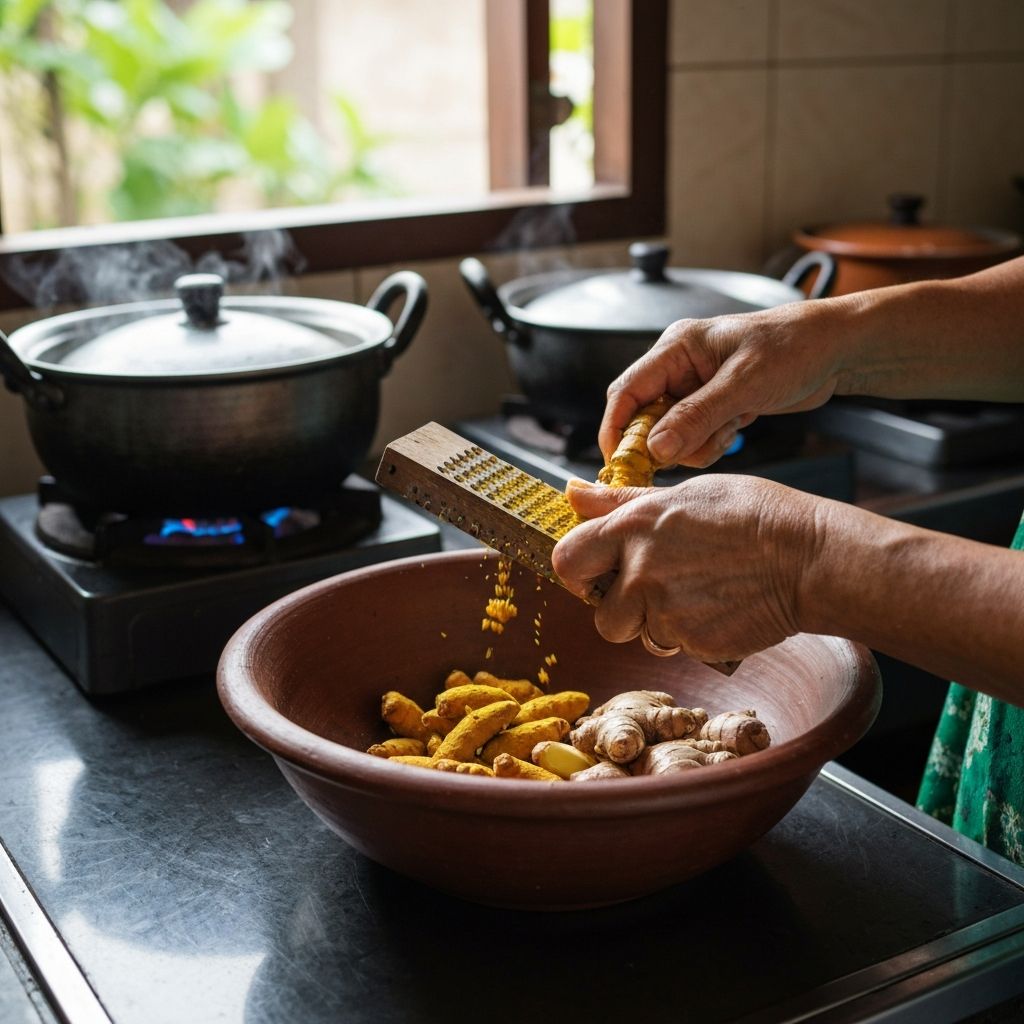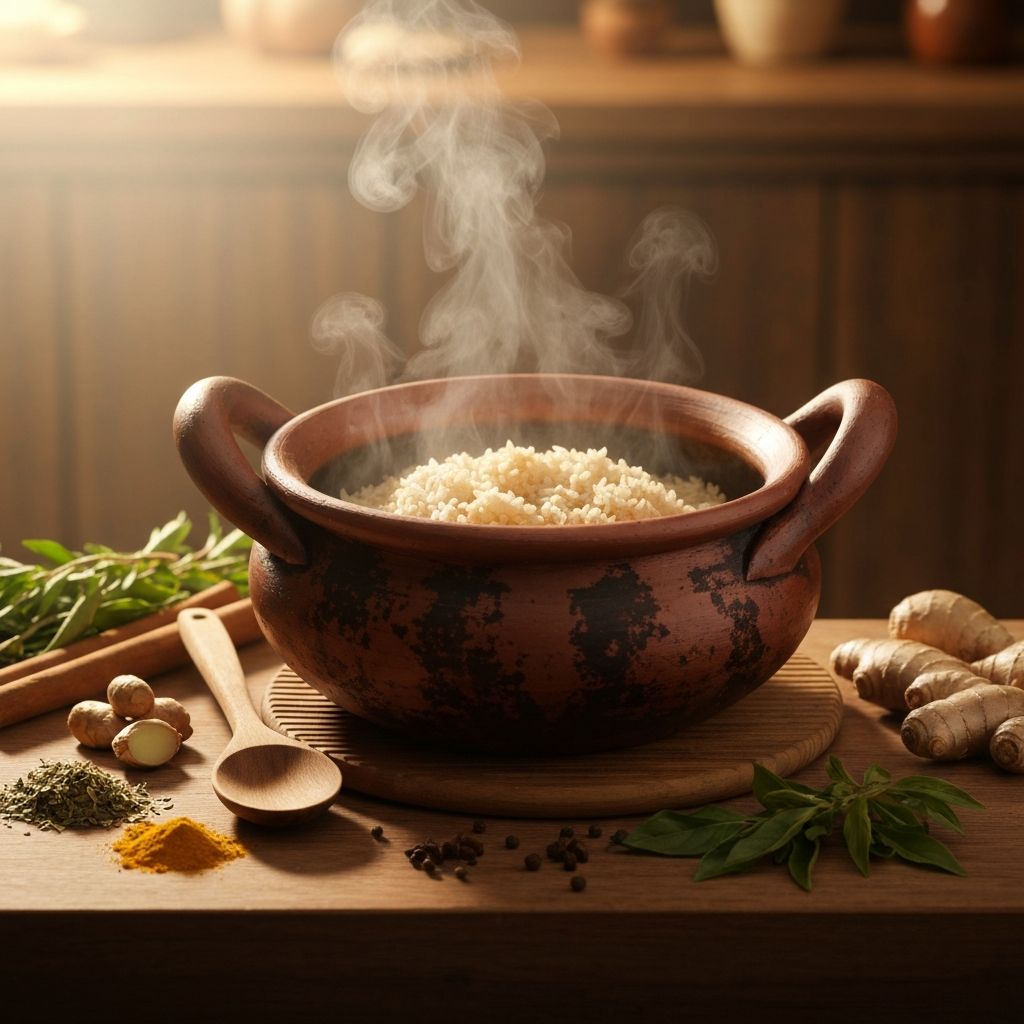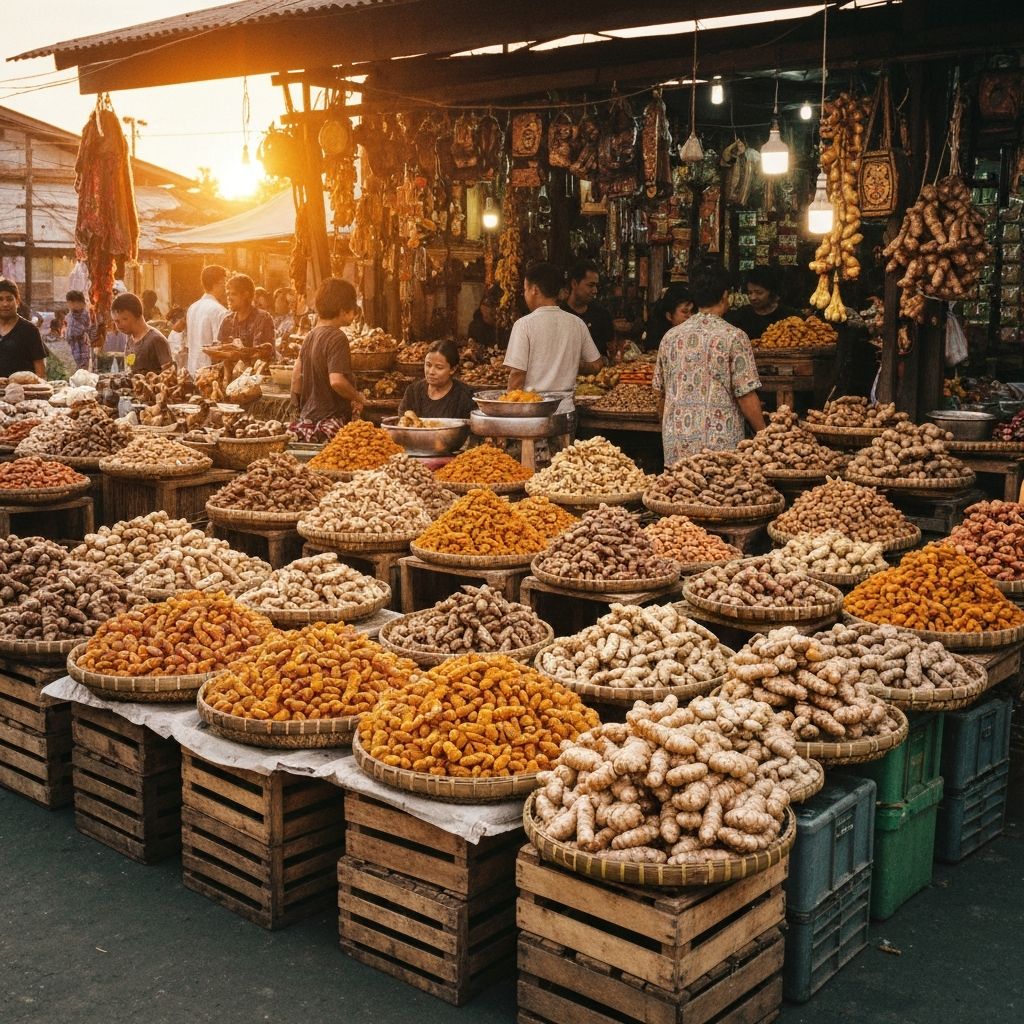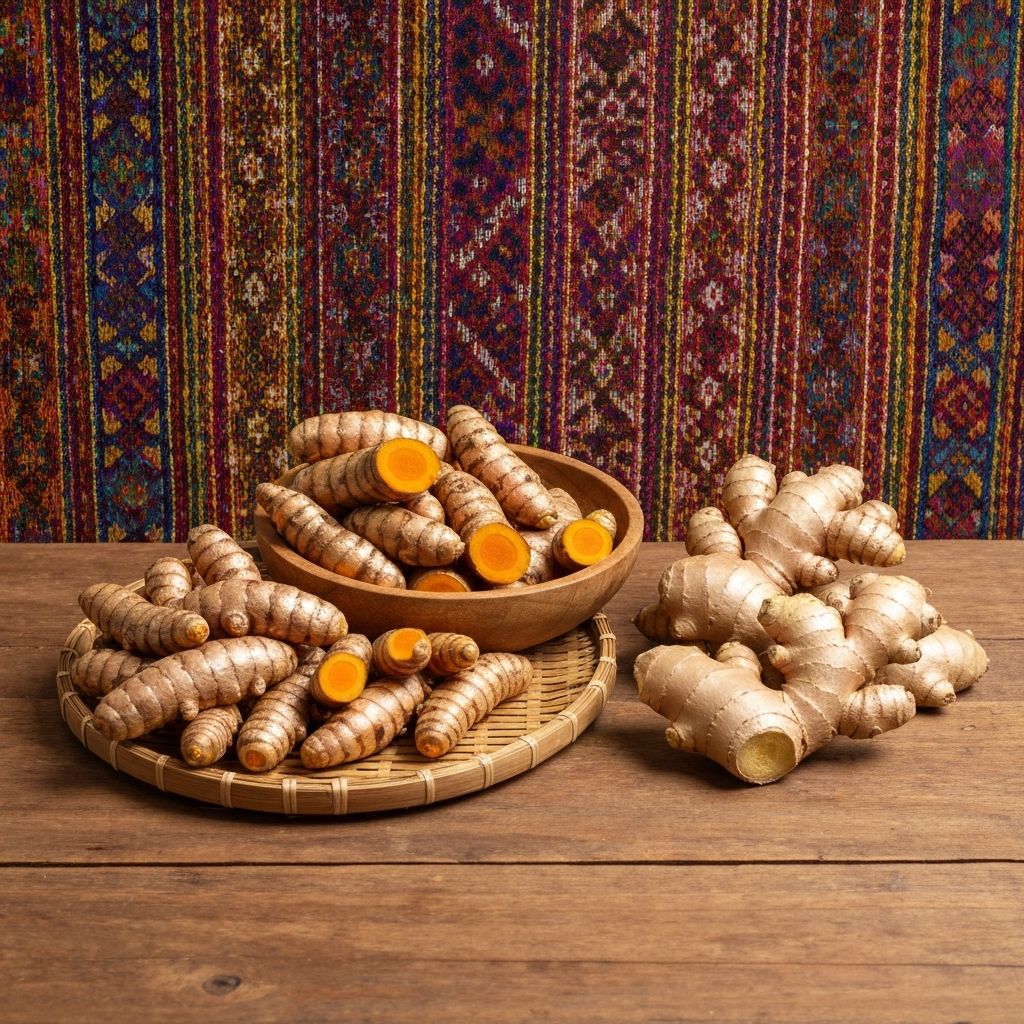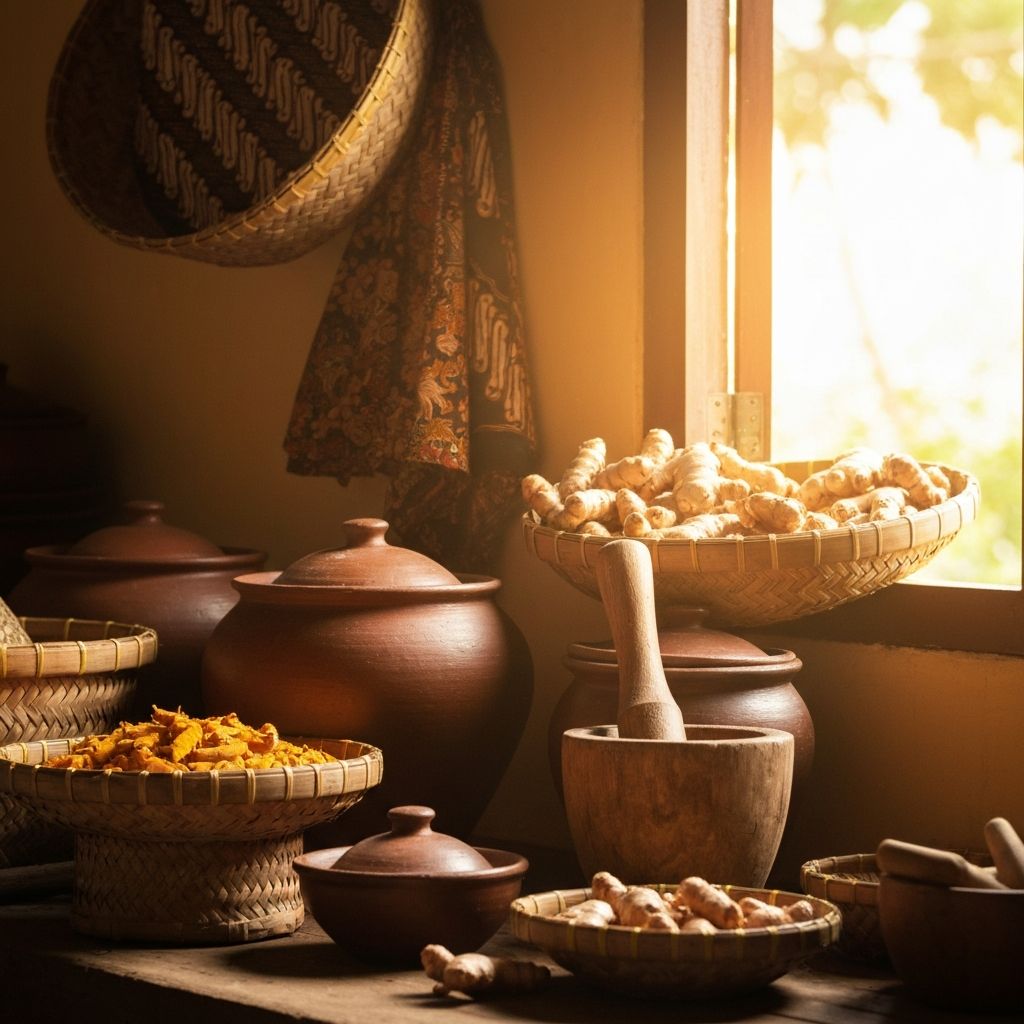
Turmeric (kunyit) and ginger (jahe) have occupied central positions in Indonesian households for centuries. Beyond their presence in the kitchen, these rhizomes embody cultural and historical significance that extends into daily life, religious practices, and community traditions.
In Indonesian culture, these plants represent more than ingredients—they symbolize ancestral knowledge passed through generations. Traditional wisdom keepers have integrated these roots into household routines, making them inseparable from the rhythm of daily cooking and social gatherings.
The widespread cultivation across diverse Indonesian regions—from the slopes of Java to the highlands of Sumatra and the volcanic soils of Bali—demonstrates the deep-rooted integration of turmeric and ginger into local agricultural practices and food systems.
Regional variations in preparation and use reflect local climate conditions, soil properties, and cultural preferences, creating unique expressions of these shared ingredients across the archipelago.